

Welcome back to the next issue of Escape Rooms Australia.
As winter settles in and the days grow shorter, there is something undeniably comforting about finding warmth, excitement, and a little adventure indoors. Across Australia, the colder months bring rain, crisp evenings, and the perfect excuse to seek out experiences that bring people together.
Escape rooms offer exactly that. They are a chance to step out of the ordinary, challenge your mind, and share a memorable experience with friends, family, or colleagues. Whether you are solving mysteries, cracking codes, or racing against the clock, there is no better way to shake off the winter chill than by immersing yourself in a world of puzzles and storytelling.
This season, we encourage you to embrace the magic of escape rooms as your go-to winter activity. It is more than just staying dry and warm—it is about creating moments of connection, laughter, and achievement when the weather keeps us indoors.
So as the rain falls and the temperature drops, consider this your invitation: gather your team, lock in a booking, and escape the cold in the most exciting way possible.
Stay warm, stay curious, and keep escaping.
We are always open to feedback to help improve this magazine feel free to email us at:
Enthusiasts and GamesMasters feel free to send us your stories, we would love to hear about them.
Please feel free to share this magazine with fellow Escape Room Enthusiasts by clicking on the share icon.
Owners, please keep us updated on any new rooms you have opening, we would love to promote them for you.
The same button will allow you to bookmark and save to favourites.
Advertising
If you would like to advertise in the magazine email us at era@eludegames.com.au and we will send you an information pack.



The Power Station
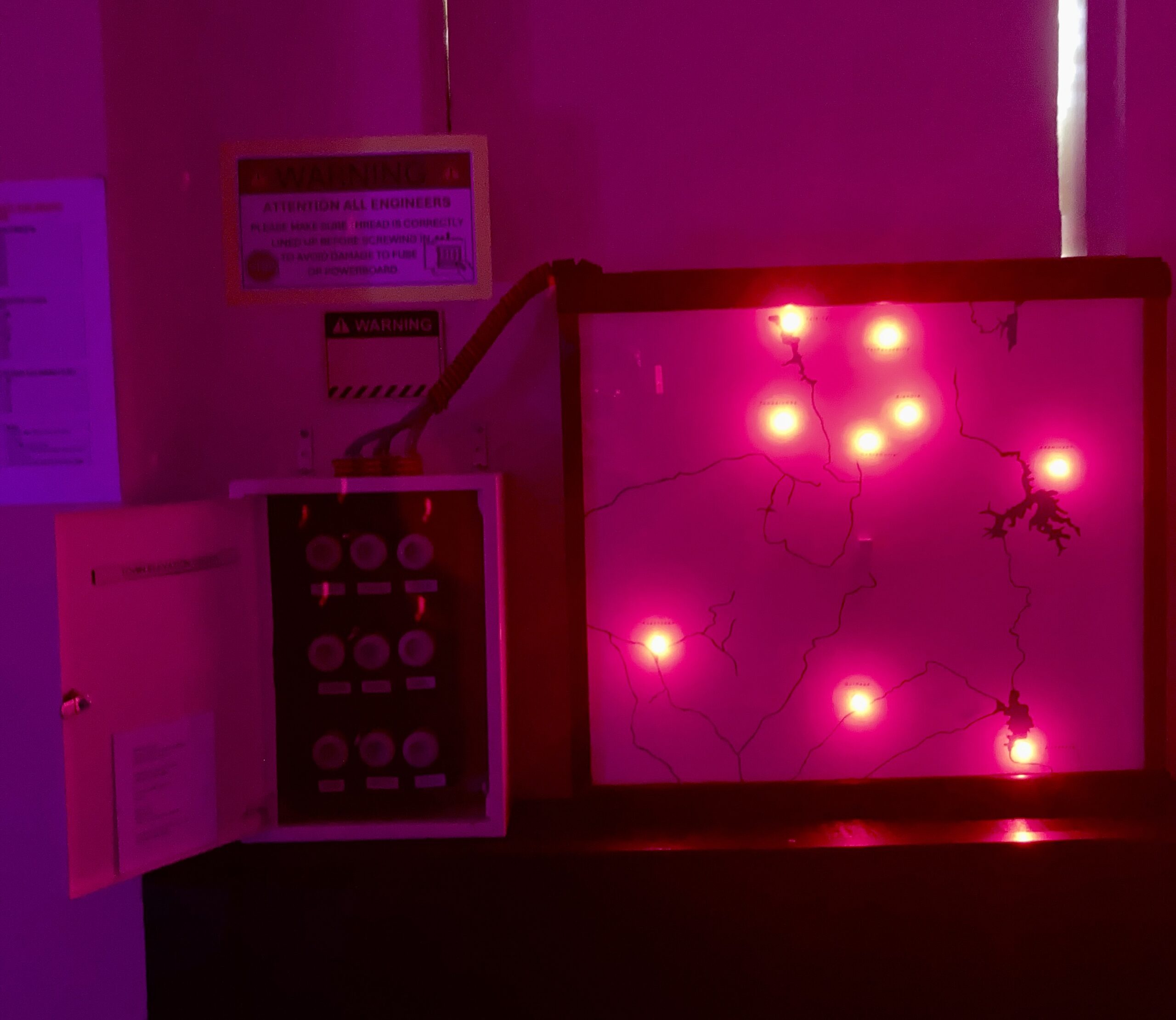
Attention Engineers – the last maintenance crew left the power station in a hurry, fuses, gears and magnets are everywhere. The power will shut down in 15 mins. Your aim is to access the override switch to turn the power back on.
This is a timed room. Your goal is to solve the clues in the 45 mins allowed. Our engineers have taken inspiration from the Snowy Scheme. The lights will go out after 15 mins, and the next 30 mins will be in a darkened room. This is a small room with big challenges. We recommend a maximum of 3 players.
Players: This is a small room max 3 players
Difficulty: 3 out of 5
Suggested Ages: 16 years +
Duration: 45 Minutes
Blackbird Manor
After discovering the letters from the old caretaker you decide to visit Blackbird Manor to discover what happened in the attic all those years ago. Was the caretaker a bootlegger, did he leave behind clues that lead to the contraband, or was he just an eccentric old man who wanted to escape the manor.
This room has challenging puzzles, riddles, and clues.
This is a very challenging, puzzle oriented room and we have found that although younger players are terrific at finding the clues, they get bored on the puzzles so adults in the room are a must. We want you to have the best experience we can offer, so if you are unsure as to which experience would suit your group best please give us a quick call and we’ll steer you in the right direction before booking.
Players: 3 – 5 players
Difficulty: 4 out of 5
Suggested Ages: 12 years and above (groups 14 yrs and younger require adult supervision)
Duration: 60 Minutes


Puppet Master

You have been summoned to The Arts Theatre in London by a figure known only as the Puppet Master – where Eleanor Drake, the famed leading lady, was recently found dead. An epic play of love, betrayal, and scandal awaits. You will unravel secrets hidden behind the curtains… more shocking than anything ever performed under the spotlight.
Act I: Carnival of Dreams
Act II: Costumes and Confessions
Act III: The Moment of Truth
This is no ordinary play. Three lives hang in the balance, but only two can be saved. Who will you choose to free before the final curtain falls?
A cinematic, story-driven, linear experience with diverse rooms and interactive props. You decide the ending!
Scare Level: Mature Themes but NOT Scary
Players: 2-8 Players (Up to 2 kids under 7 can play for free. No need to book, just bring them along.)
Difficulty: Medium or Advanced
Suggested Ages: Not Specified
Duration: 60 Minutes


Clockwork Express
Welcome aboard the Clockwork Express The most advanced luxury steam service ever built. Invited as VIP guests, your journey promises refinement, speed, and exclusivity. The lounge awaits… or at least, it should. But when no one comes to greet you, and the train presses on without explanation, it quickly becomes clear: You’re not where you’re supposed to be. And this train… isn’t going where it should.
Players: 2-6 Players
Difficulty: 3 out of 5
Suggested Ages: Anyone can participate in Roomscape, although it is recommended for persons aged 8 and above. For groups aged under 16, adult supervision is required within the room. Adult supervision will be free of charge.
Duration: 60 Minutes

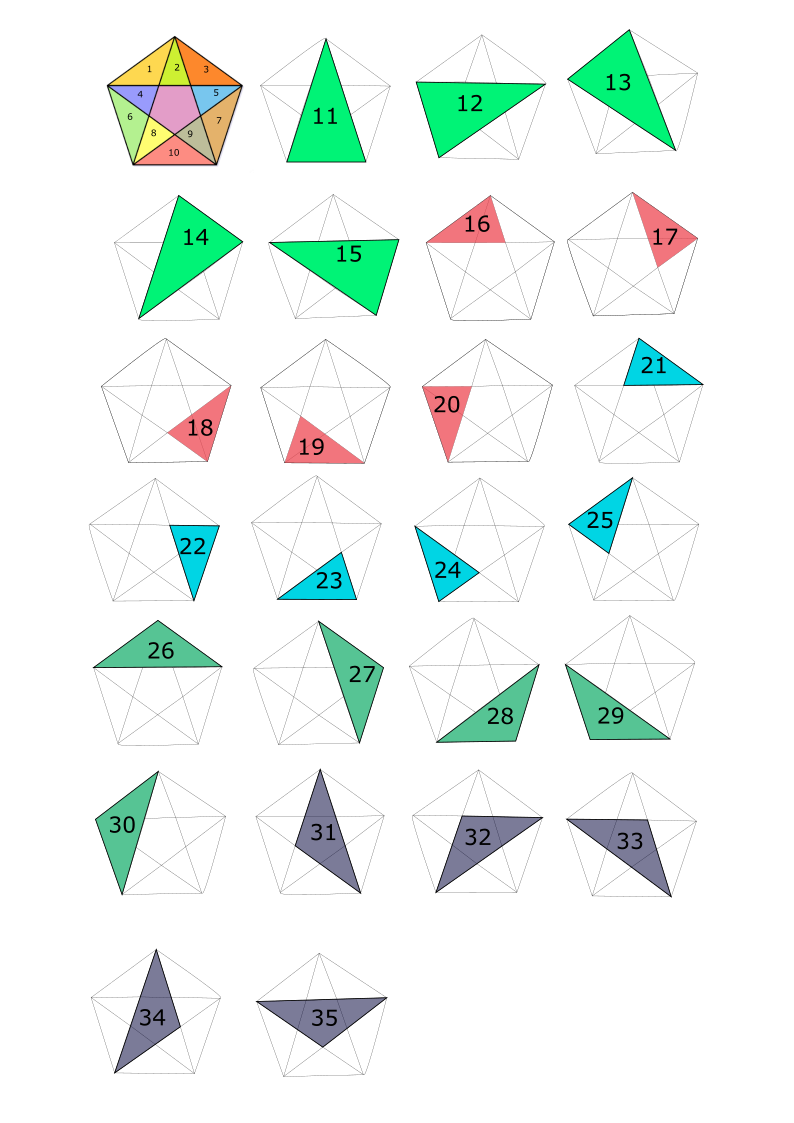
Click Image for Answer

The Adventure of the Failed Lodgers

Hello readers, this is the second of two issues on FOMOOE: the fear of missing out on escaping. Last time we talked about missing out on rooms altogether, while this episode will be about players not getting to finish the room they are in.
Tragedy Of Errors
Picture the scene:
Seconds disappear from the countdown timer as the group struggles to input the code they KNOW is correct.
Time ticks away as they try the code forwards, backwards, forwards again. Seconds speed away. Left-handed, right-handed, move out of the way let me try it! No, line the numbers up to the marker and Finally!
1 second left – the door opens on to an additional space – not an exit.
Time runs out, but our players have not escaped.
We’ve seen (or been in) this scenario playing out multiple times. What happens next?

Get Free, Or Not Get Free
The options:
- Complete the room after the buzzer. Get them through the remainder of the room with the Games Master throwing tonnes of hints at the team. Calculate potential time available before the next booking, how receptive and responsive this team is to receiving (and acting on) hints, and how much of the room is left. Two puzzles left with an eager team should be no problem to push through. But a large number of puzzles, or a difficult team (in attitude or skill), and then even a whole hour of extra time would not be enough.
- Call a hard finish at the end of the allotted time. Often there are external reasons for this: the team started late, they didn’t laugh at your jokes in the briefing, you’ve got to close up for the night, or it is just your company policy.
But can we move them away from only judging success by escaping?
Much Ado About Escaping
Especially with new teams, consider reframing how you set the objective to help with player expectations. So don’t just tell the group that they need to find the whatever and then ‘escape’. Tell them they have an hour to do as much as they can achieve together. Tell them not many people get out in time at all (true or not). If they are anything but a team of enthusiasts, bringing initial expectations down will help limit potential future disappointment.
So what else can we do to ensure teams leave on a high point?

Cheering Of The Few
After any ‘non-exit’, put a big focus on what they were able to achieve together and how they improved as time went along, even if the communication and teamwork wasn’t supported by results.
If there really was no great teamwork, talk up any small bit of cooperation and highlight individual hero moments. If they laughed their way through, tap into that. Humour can be hard to balance with people who have only seen you for five minutes an hour ago, so ask them questions that directs them to their funny moments.
But keep up the encouragement. When the players have you as their cheerleader being their last point of reference with your escape room they will hopefully leave with the warm fuzzies. Who doesn’t like a bit of flattery? And always remember to say “You all really improved by the end, you’re going to crush it next time? Shall I book you in now?”

Phun With Phones
Hold all my calls – this edition is dialing up a couple of ways to use telephones for telling codes and is mixing things up by asking you to get out your phones.

Cute Communications
Before smartphones with their complete keyboard layouts, typing a text was a labourious way to send a short message. The first mobile phones, and even on fixed line phones around the same time, all had a cheeky little alphabet tucked away within ten buttons.
Those of us old experienced enough will be intimately familiar with repeatedly pressing the same button to cycle through to a desired letter for minimal textual output. Even in 2010, 140 characters of text would cost you 25c. Times have changed, and now we can use this as a simple numerical representation to puzzle through.

Padding Out A Message
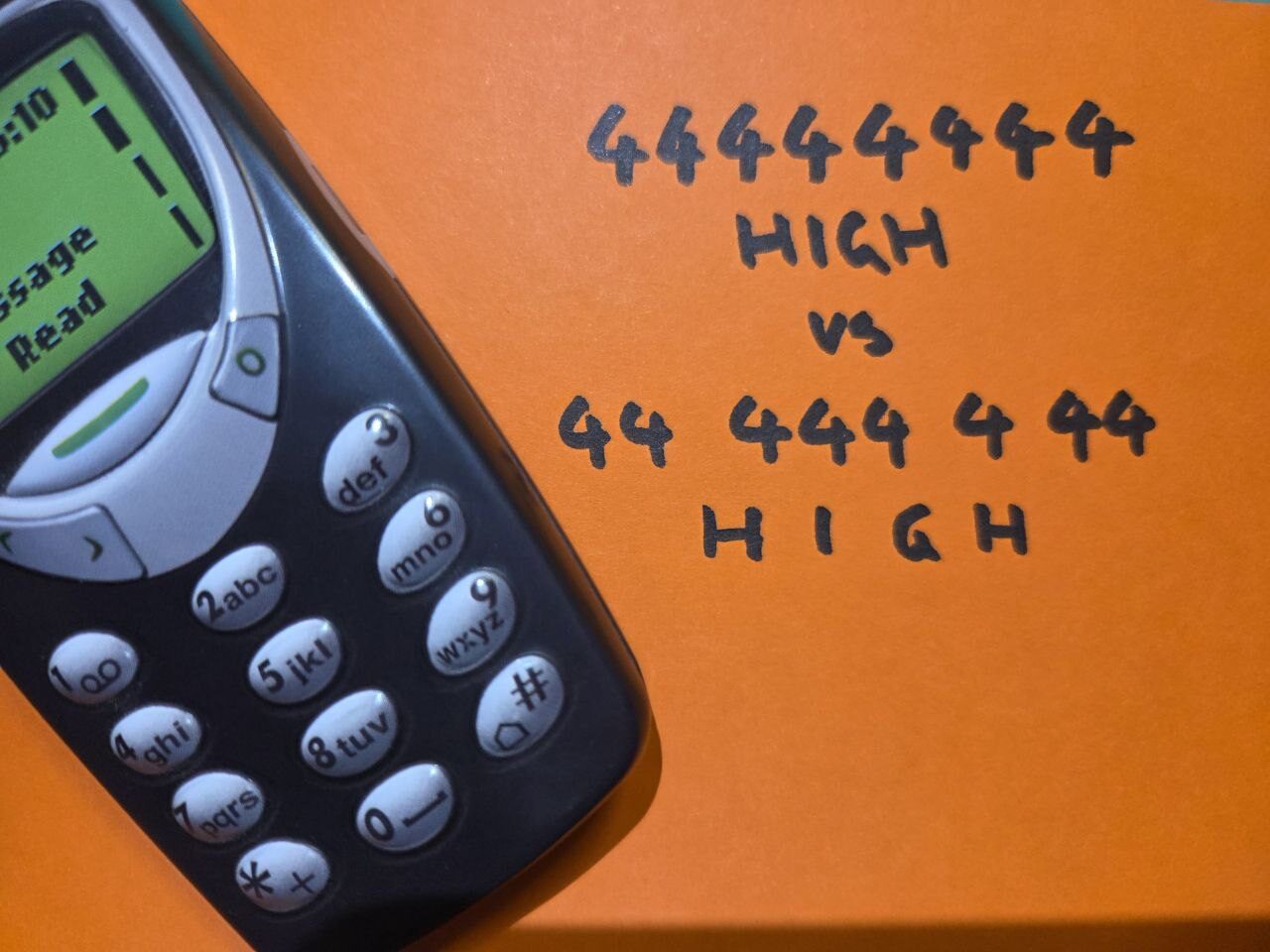
Above is a classic ‘brick’ number pad. With ‘1’ left blank, a user would press the other numbers until the desired letter came up: press ‘2’ once for the letter ‘A’, twice for ‘B’ and thrice for ‘C’. As well as using ‘0’ to insert a space, the buttons most commonly known as star and hash: ‘*’ and ‘#’ would give various forms of punctuation.
As an example, typing out “SOS” would require 11 taps: four taps on ‘7’, three on ‘6’, and another four on ‘7’.
SOS = 7777666777
Unlocking The Phone
To decode this should be pretty straight forward: move along the button that matches your number the same amount of times that number occurs.
Where it can get fidgety is with consecutive letters that are assigned to the same button, and double letters. Placing a space between your numbers when conveying them in written form will help avoid confusion.
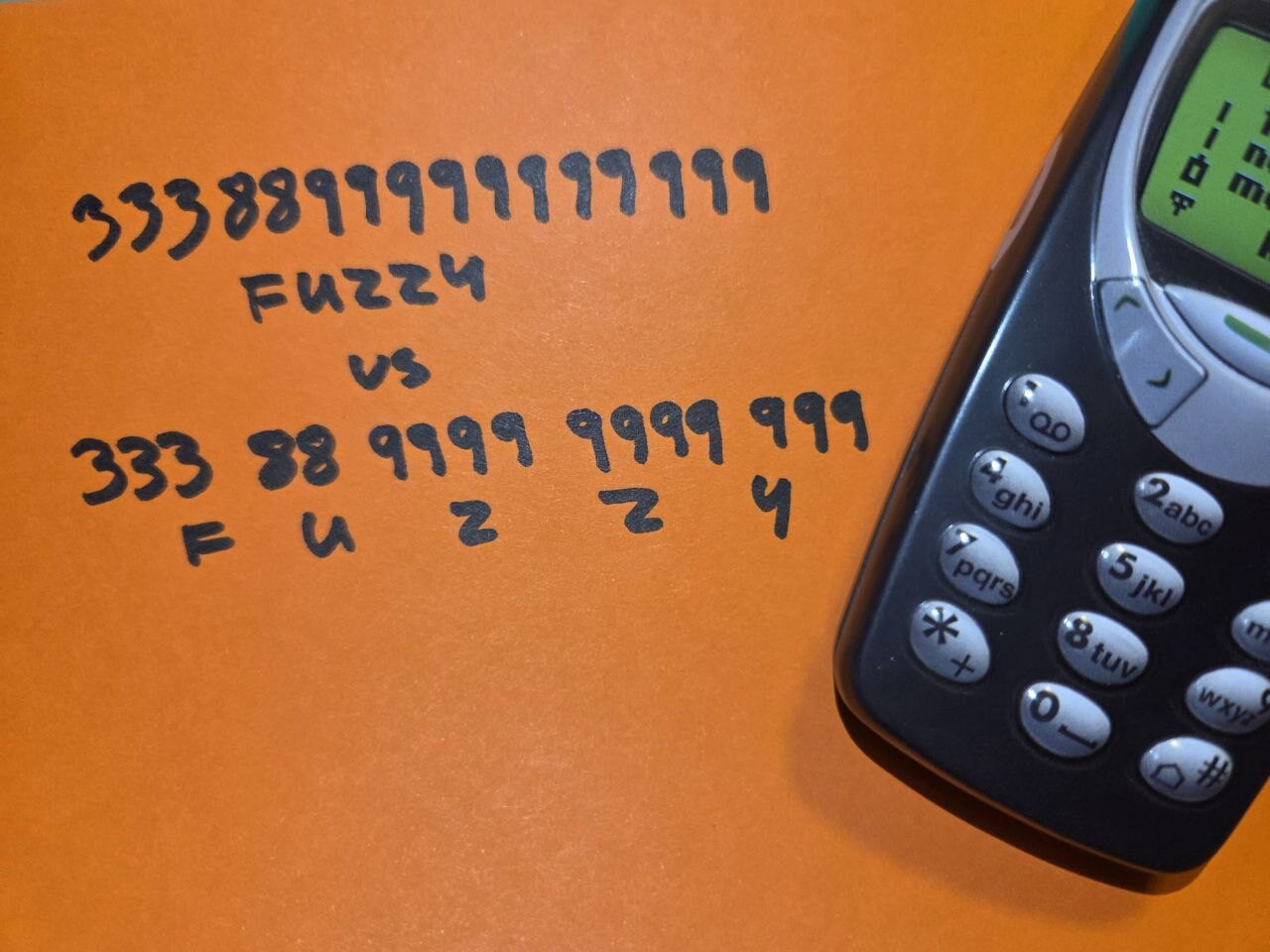
Getting a Clear Signal
Keep an eye out for this code in Escape Rooms especially themed around the 90s and into the start of the 21st millennium. The repeated numbers (and lots of them) should help you recognise the use of the number pad. As always, a decoding reference will be found somewhere in the room: don’t assume that the designers have necessarily kept the alphabet used in the same order.
Happy Escaping!